Rubber Mat Flooring Price: A Detailed Breakdown of Costs and Value Factors
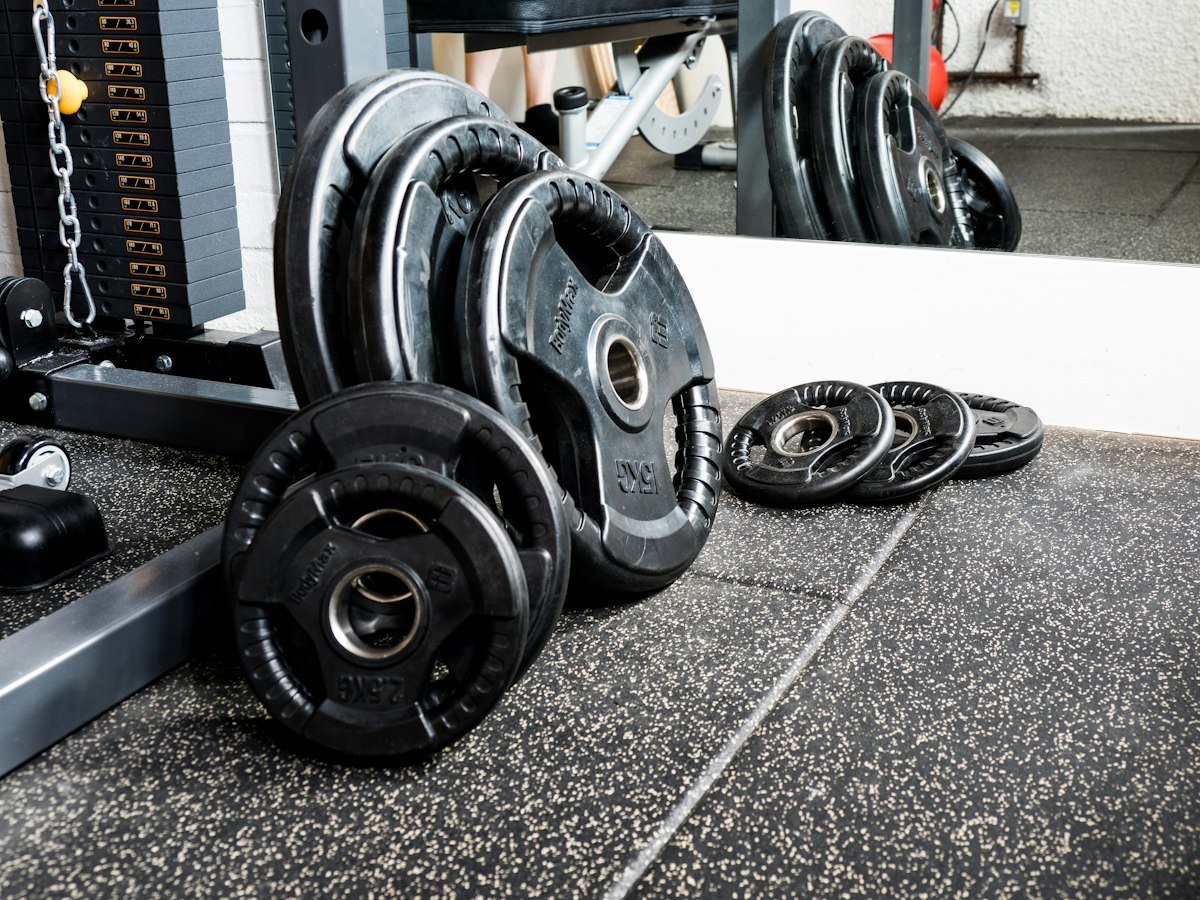
Choosing the right flooring for a high-traffic area, a home gym, or a commercial warehouse often leads to one specific material: rubber. However, once you start browsing, you quickly realize that the rubber mat flooring price spectrum is surprisingly wide. You might see options for as little as $1.50 per square foot, while others climb well above $15.00. This price gap isn't just a matter of brand markup; it reflects significant differences in material density, manufacturing processes, and long-term durability.
Understanding what you are actually paying for is the first step toward making a smart investment. Whether you are outfitting a small basement workout space or a 10,000-square-foot industrial facility, the upfront cost is only part of the equation. You also have to consider the logistics of shipping heavy materials, the complexity of the installation, and how long the floor will realistically last under your specific conditions. This article will break down the variables that dictate current market pricing and help you determine where to save and where to spend.
Related posts
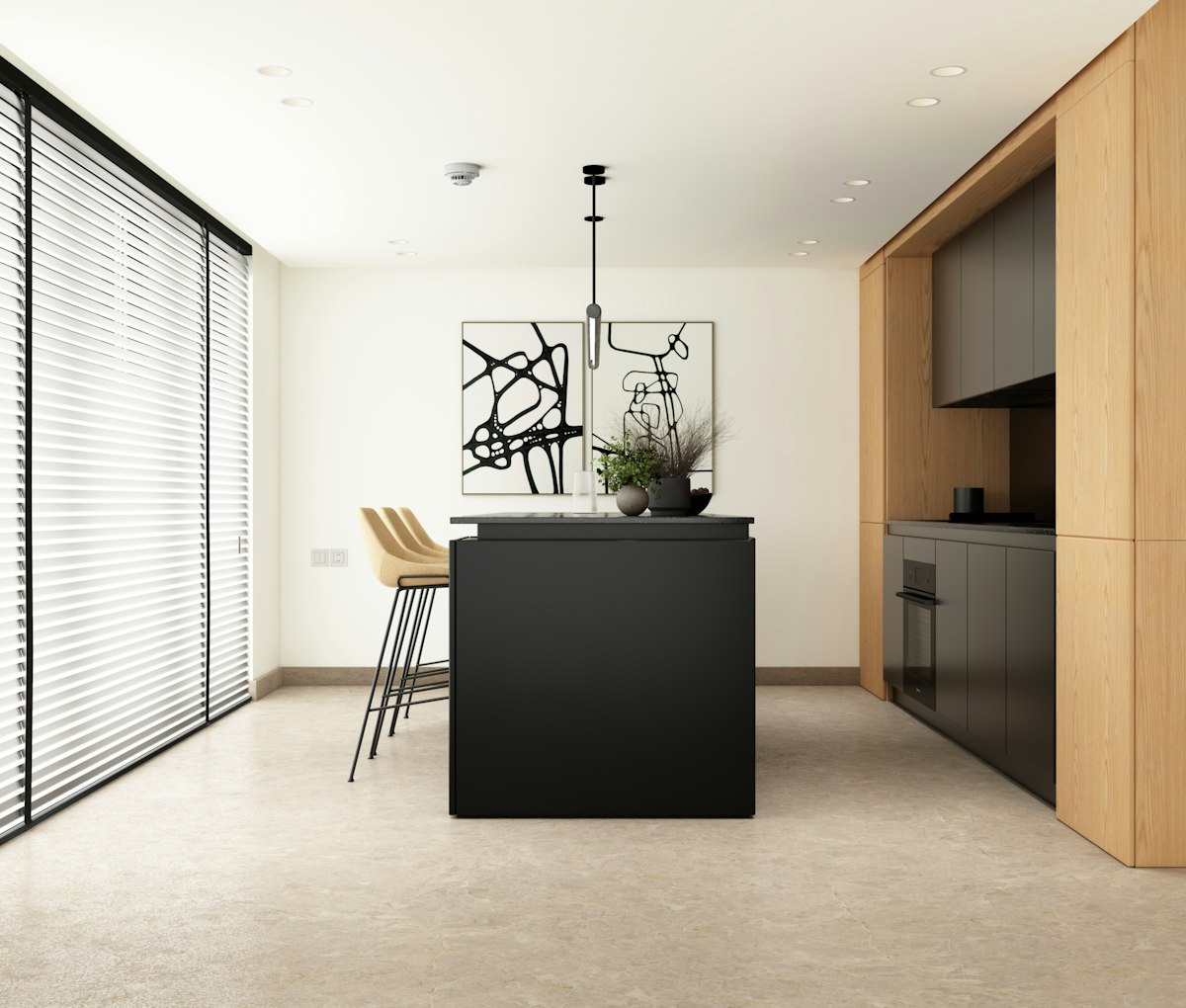
Real-World Breakdown of Engineered Wood Flooring Cost and Value
Deciding on a new floor often feels like a balancing act between the aesthetic appeal of natural timber...
Read more →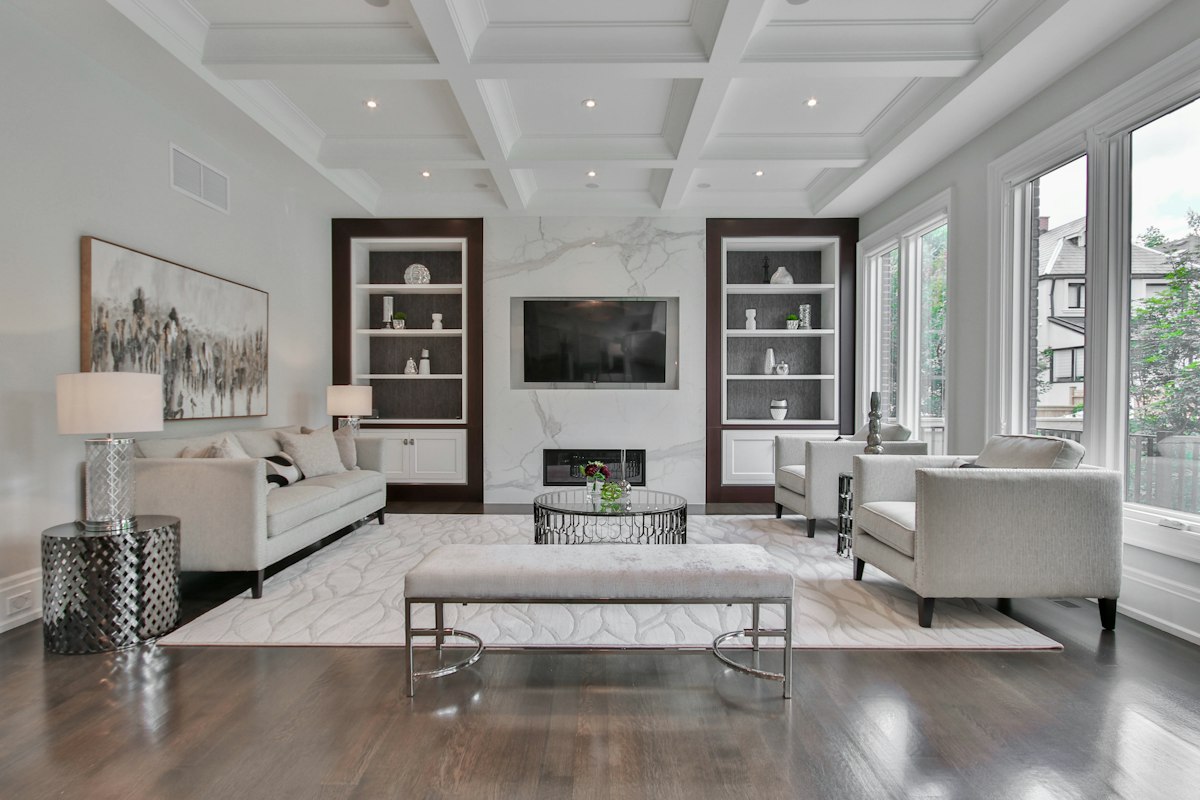
Curating Modern Luxury Home Decor: The Art of Sophisticated Living Spaces
Creating a home that feels both expensive and comfortable is a delicate balancing act. Many homeowners assume that...
Read more →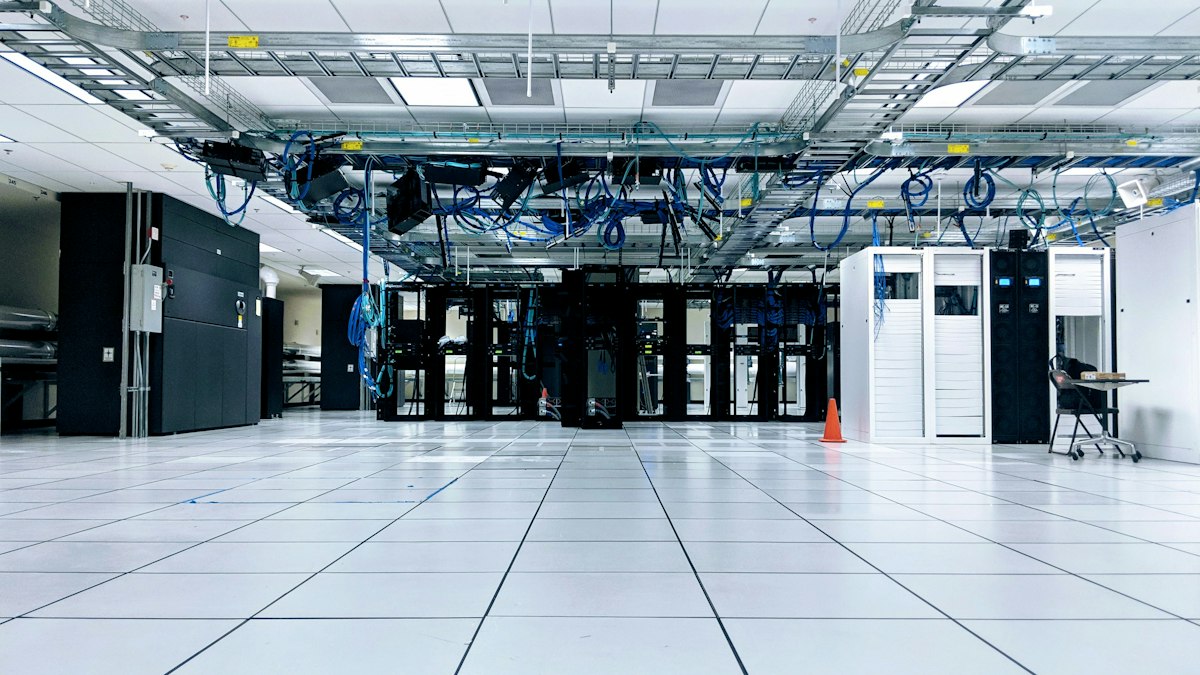
Selecting the Best Raised Floor Systems for Modern Facilities
Building or retrofitting a modern workspace, server room, or cleanroom demands forward-thinking infrastructure. Cable clutter, dynamic cooling requirements,...
Read more →
Raised Floor Cost Analysis: Pricing Factors for Data Centers and Offices
Budgeting for a commercial facility or a high-tech data center involves a series of complex decisions, but few...
Read more →We will explore the differences between recycled and virgin rubber, the pricing impact of various thicknesses, and the hidden costs that often surprise first-time buyers. By the end of this analysis, you will have a clear framework for budgeting your project and selecting a product that balances performance with your financial constraints. We are moving beyond the basic stickers prices to look at the total cost of ownership and the technical specifications that drive those numbers.
Key takeaways
- Thickness is the primary cost driver, with prices increasing significantly as you move from 1/4-inch to 3/4-inch mats to accommodate heavier impacts.
- Material composition matters, as virgin rubber and EPDM color flecks carry a premium price compared to standard black recycled crumb rubber.
- Form factor influences labor and waste; while rolls are often cheaper per square foot, interlocking tiles can reduce installation costs and material waste in smaller or complex rooms.
- Logistics can double your budget if you don't account for freight shipping, as the sheer weight of rubber mats makes delivery a major financial component.
The Primary Drivers of Rubber Mat Flooring Price
When you look at a quote for rubber flooring, the first thing to realize is that rubber is sold by weight as much as it is by square footage. Because rubber is a dense, heavy material, the more of it there is in a product, the higher the price will be. This is why thickness is the most immediate variable you will encounter. A standard 8mm (approx. 5/16") roll is the industry benchmark for many commercial gyms, offering a balance of protection and affordability. However, if you move up to a 1/2-inch or 3/4-inch mat designed for heavy deadlifting, the volume of raw material effectively doubles, and the price follows suit.
Beyond physical dimensions, the density of the rubber plays a massive role. High-density mats are compressed under immense pressure during the manufacturing process. These mats are firmer, more resistant to indentation from heavy machinery, and significantly more expensive than low-density, airier alternatives. If a mat feels "squishy" like a yoga mat, it likely has low density and a lower price point, but it won't withstand the rigors of a commercial environment or heavy weight stacks.
The manufacturing method also splits the market into two price tiers: vulcanized and urethane-bonded. Vulcanized rubber is melted and bonded under high heat and pressure, creating a non-porous, incredibly durable surface that is water-resistant and easy to clean. This process is more energy-intensive and results in a higher price. Urethane-bonded rubber uses a chemical binder to hold rubber crumbs together. While slightly more affordable and offering better shock absorption, it is more porous and may require more frequent deep cleaning.
Recycled vs. Virgin Rubber: The Material Premium
The source of the rubber is perhaps the biggest factor in the "look and feel" of the floor, and it carries a heavy price implication. Most rubber flooring on the market today is made from recycled SBR (Styrene-Butadiene Rubber), primarily sourced from discarded truck tires. This is an environmentally friendly and cost-effective solution. Because the raw material is essentially a waste product, recycled rubber mats are the most budget-friendly option, typically ranging from $2.00 to $6.00 per square foot for standard thicknesses.
On the other end of the spectrum is virgin rubber. This material is made from scratch using new polymers. It is non-porous, has almost zero odor, and can be produced in vibrant, solid colors. Virgin rubber is the gold standard for healthcare facilities and high-end fitness centers where aesthetics and hygiene are paramount. However, expect the price to jump significantly, often reaching $10.00 to $18.00 per square foot. The cost is driven by the price of raw petroleum-based polymers and the specialized molding processes required to create a finished product without the use of recycled fillers.
The Cost of Color: EPDM Flecks
If you've noticed that black rubber mats are cheaper than those with colorful speckles, there is a technical reason for that. Those speckles are made of EPDM (Ethylene Propylene Diene Monomer), a synthetic rubber that holds pigment much better than recycled tire rubber. Adding EPDM flecks increases the price because the material itself is more expensive and the manufacturing process requires precise mixing to ensure even distribution. A mat with 10% color fleck will be cheaper than one with 90% color saturation. For many commercial brands, color is a way to hide dirt and wear, making the slight price increase a worthwhile investment for long-term aesthetics.
Comparing Form Factors: Tiles, Rolls, and Mats
How the rubber is packaged and delivered will change your total project cost. Each form factor has a specific price profile and ideal use case.
Interlocking Rubber Tiles
Interlocking tiles are the favorite of the DIY community. They are easy to transport in a standard vehicle and require no adhesive for most applications. However, because of the precision cutting required to make the "puzzle" edges fit perfectly, they often have a higher price per square foot than rolls. You are paying for the convenience of installation. Expect to pay between $3.00 and $8.00 per square foot. The hidden savings here come from the fact that you can usually install them yourself, saving hundreds or thousands in professional labor fees.
Rolled Rubber Flooring
If you have a large, open area to cover, rolled rubber is almost always the most cost-effective choice. It has the lowest price per square foot, often starting as low as $1.50 to $2.50 for thin versions. The challenge with rolls is the weight; a single roll can weigh several hundred pounds, making it impossible for one person to handle. Furthermore, rolls often require a full-spread adhesive or heavy-duty double-sided tape to prevent crawling and bubbling, which adds to the material and labor costs.
Standalone Stall Mats
Often found in agricultural supply stores, these 4x6 foot mats are the "budget hack" of the gym world. Because they are mass-produced for livestock and have looser tolerances for thickness and odor, they are incredibly cheap—often around $45 to $60 per mat ($1.80 to $2.50 per sq. ft.). While they provide excellent protection, they are heavy, can have a strong sulfur smell, and are difficult to fit together seamlessly without large gaps.
Hidden Expenses in Rubber Flooring Projects
The price you see on a website is rarely the price you pay at checkout. To create an accurate budget, you must account for several secondary costs that can drastically alter the project's feasibility.
Shipping and Freight: This is the most significant hidden cost. Because rubber is extremely heavy, it cannot be shipped via standard parcel services like UPS or FedEx in large quantities. It must be shipped via LTL (Less Than Truckload) freight on pallets. Depending on your location and the presence of a loading dock, shipping can add 20% to 50% to your total bill. Always get a landed quote that includes delivery to your specific zip code.
Subfloor Preparation: Rubber is resilient, but it isn't magic. If your subfloor is uneven, cracked, or damp, you may need to invest in a self-leveling compound or a moisture barrier. Installing rubber over a failing subfloor will lead to seams opening up or mold growth underneath. Budgeting for a clean, level surface is a prerequisite for a successful installation.
Adhesives and Finishing: For commercial installations, a high-quality polyurethane adhesive is required. This can cost $100 or more per 4-gallon pail, covering roughly 400 square feet. Additionally, you may want transition strips (reducers) for doorways to prevent tripping hazards. These small accessories can add a few hundred dollars to a medium-sized project.
Commercial vs. Residential Pricing Strategies
Are you buying for a home garage or a franchise gym? The strategy changes based on the scale. For residential buyers, the focus should be on minimizing shipping costs. Buying from a local supplier or a big-box store where you can pick up the mats yourself often results in a lower total price than ordering a "cheaper" product online that requires $300 in shipping.
For commercial buyers, the focus shifts to durability and liability. A cheaper, thinner mat might save $2,000 upfront, but if it wears through in two years or causes a trip-and-fall accident due to curling edges, the "savings" disappear. Commercial buyers should look for volume discounts. Most wholesalers offer significant price breaks at the 500, 1,000, and 5,000 square foot marks. At these scales, the price per square foot can drop by 15% to 30% compared to retail rates.
FAQ
Is rubber flooring cheaper than carpet or vinyl?
Generally, high-quality rubber flooring is more expensive than standard commercial carpet or entry-level luxury vinyl tile (LVT). While you can find cheap rubber, a durable 3/8-inch gym floor will usually cost more than a standard office carpet. However, rubber lasts significantly longer in high-impact environments, making its lifecycle cost lower because it doesn't need to be replaced every five years.
How much does a 4x6 rubber mat cost on average?
A standard 4x6 foot rubber mat (24 square feet) typically costs between $45 and $120. The wide range depends on the thickness and the retail channel. A 3/4-inch horse stall mat from a farm supply store is on the lower end, while a precision-cut, low-odor 1/2-inch mat from a fitness specialty brand sits at the higher end.
Does the smell of cheaper rubber mats affect the value?
While odor doesn't necessarily impact the structural integrity, it significantly impacts the "usability" value of the space. Cheap recycled mats often use sulfur-based vulcanization, which can off-gas a strong "burnt rubber" smell for months. In a home basement with poor ventilation, this can make the room unusable. Low-odor mats use high-quality binders and are washed during production, which is why they command a higher price.
What is the typical labor cost for professional installation?
Professional installation for rubber flooring typically ranges from $1.00 to $3.00 per square foot. This price can fluctuate based on the amount of cutting required around corners or pillars, and whether the floor needs to be fully glued down. Large, open areas for rolled rubber are usually cheaper per square foot than intricate tile patterns in small rooms.
How long does rubber flooring last before needing replacement?
In a residential setting, high-quality rubber flooring can easily last 15 to 20 years. In a high-traffic commercial gym, you can expect a lifespan of 7 to 12 years depending on the thickness and how well the floor is maintained. This longevity is what justifies the higher initial price compared to other flooring types.
Conclusion
Navigating the rubber mat flooring price landscape requires looking beyond the initial quote. By identifying the specific needs of your space—such as the required thickness for impact protection and the aesthetic needs of the environment—you can avoid overpaying for features you don't need or under-investing in materials that will fail prematurely. Remember to factor in the weight-related shipping costs and potential installation expenses to get a true picture of your budget. When chosen correctly, rubber flooring offers one of the best returns on investment in the flooring industry, providing a safe, durable, and low-maintenance surface that stands the test of time.