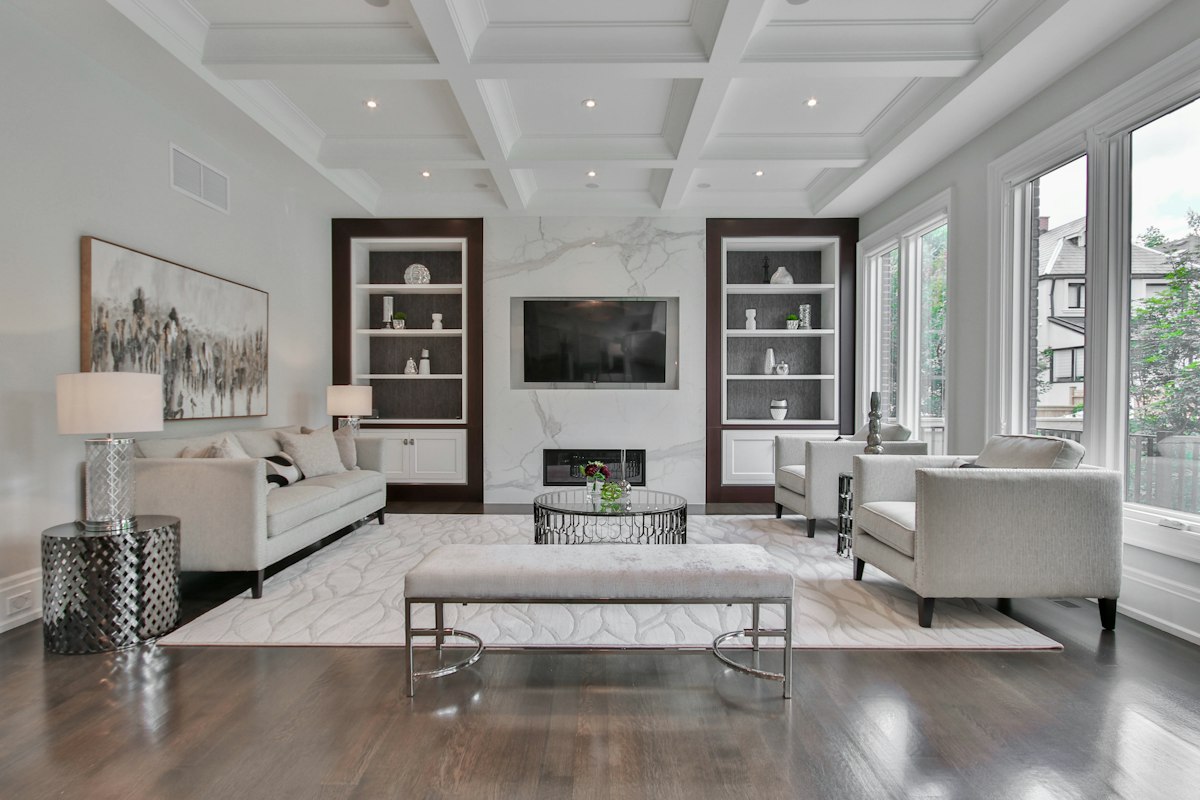
Curating Modern Luxury Home Decor: The Art of Sophisticated Living Spaces
Creating a home that feels both expensive and comfortable is a delicate balancing act. Many homeowners assume that luxury is synonymous with a high price tag, but true modern luxury home decor is rooted in intentionality, craftsmanship, and the clever use of space. It is the difference between a room that looks like a showroom and one that feels like a curated sanctuary tailored to your specific lifestyle.
The shift in high-end design has moved away from the ostentatious displays of the past toward a more refined, understated elegance. We are seeing a move toward "quiet luxury," where the quality of materials and the precision of the architecture speak louder than bold logos or gold-plated fixtures. This approach focuses on how a space feels to the touch and how it functions during your daily routines, rather than just how it looks in a photograph.
Related posts

Rubber Mat Flooring Price: A Detailed Breakdown of Costs and Value Factors
Choosing the right flooring for a high-traffic area, a home gym, or a commercial warehouse often leads to...
Read more →
Real-World Breakdown of Engineered Wood Flooring Cost and Value
Deciding on a new floor often feels like a balancing act between the aesthetic appeal of natural timber...
Read more →
Selecting the Best Raised Floor Systems for Modern Facilities
Building or retrofitting a modern workspace, server room, or cleanroom demands forward-thinking infrastructure. Cable clutter, dynamic cooling requirements,...
Read more →
Raised Floor Cost Analysis: Pricing Factors for Data Centers and Offices
Budgeting for a commercial facility or a high-tech data center involves a series of complex decisions, but few...
Read more →In this exploration of contemporary high-end interiors, we will look at the foundational elements that define a premium home. From the selection of rare natural stones to the integration of invisible technology, we will cover the practical steps required to elevate your living environment. Whether you are starting a full renovation or looking to refresh a single room, these principles will help you achieve a look that is timeless, sophisticated, and deeply personal.
Modern luxury is not a finish line you cross by buying a specific set of furniture; it is an ongoing process of editing and refinement. It requires an eye for detail and a willingness to invest in pieces that offer long-term value. By understanding the interplay of light, texture, and scale, you can transform any space into a high-end retreat that stands the test of time and avoids the pitfalls of fleeting interior design trends.
Key takeaways
- Prioritize high-quality, natural materials like marble, solid wood, and genuine leather for longevity and tactile appeal.
- Focus on a layered lighting scheme that combines architectural, task, and ambient sources to create depth and mood.
- Invest in bespoke or designer statement pieces that act as the focal point of a room while maintaining a cohesive color palette.
- Integrate smart home technology discreetly to enhance convenience without disrupting the aesthetic flow of the decor.
The Philosophy of Modern Luxury
Modern luxury is defined by the concept of "space as a commodity." In a world that is increasingly cluttered, the ability to have an open, airy, and well-organized home is the highest form of indulgence. This doesn't mean your home must be cold or empty. Instead, it means that every item allowed into the space serves a purpose or provides genuine aesthetic joy. The philosophy is built on the idea that luxury should simplify your life, not complicate it.
Texture plays a massive role in this new era of design. While older versions of luxury relied on visual shine, modern luxury relies on the sense of touch. Think of the contrast between a smooth, cool Venetian plaster wall and a heavy, nubby bouclé sofa. These sensory experiences create a richness that goes beyond mere appearance. When you walk through a luxury home, your hands should be as engaged as your eyes.
Materiality: The Foundation of High-End Design
The materials you choose are the most significant indicators of a luxury interior. Synthetic materials and mass-produced finishes often fall flat because they lack the depth and variation found in nature. To achieve a high-end look, you must look toward materials that age gracefully and develop a patina over time.
Natural Stone and Marble
Nothing says luxury like natural stone. While Carrara marble remains a classic choice, modern designers are moving toward more dramatic stones like Calacatta Viola with its deep purple veining or Verde Alpi for a moody, green-hued sophistication. Use these stones not just for countertops, but for coffee tables, wall cladding, or even integrated sinks. The weight and coldness of real stone provide a sense of permanence that manufactured quartz simply cannot replicate.
High-Performance Textiles
In the past, luxury fabrics like silk and velvet were too fragile for daily use. Today, modern luxury home decor utilizes high-performance textiles that offer a premium feel with incredible durability. Look for heavy-weight linens, mohair, and performance velvets. These fabrics allow you to have a white or cream-colored living room without the constant fear of stains, blending the practical needs of a home with the visual standards of a five-star hotel.
Warm Woods and Metals
Avoid the "matchy-matchy" look of furniture sets. Instead, mix different wood tones and metal finishes to create a space that feels like it has been assembled over time. Darker woods like walnut and charred oak are currently trending for their ability to ground a room. When it comes to metals, move away from high-shine chrome and toward brushed brass, blackened steel, or oil-rubbed bronze. These finishes feel more artisanal and less industrial.
Lighting as an Architectural Element
Lighting is often the most overlooked aspect of home decor, yet it has the greatest impact on the atmosphere. A luxury home never relies on a single overhead light source. Instead, it uses layers of light to highlight architectural features and create different zones within a room.
Start with architectural lighting, such as recessed spotlights that are tucked away or plaster-in LEDs that create a seamless look. Next, add decorative lighting. This is where you can make a statement. A large-scale chandelier over a dining table or a pair of sculptural sconces in a hallway acts as functional art. Finally, use accent lighting to draw attention to artwork or bookshelves. The goal is to eliminate harsh shadows and create a warm, inviting glow that can be adjusted based on the time of day.
The Importance of Scale and Proportion
One of the most common mistakes in home decorating is choosing furniture that is the wrong size for the room. Luxury spaces always feel balanced. This often means choosing fewer, larger pieces rather than many small ones. A massive, deep-seated sectional can make a room feel more expansive and expensive than two smaller sofas and a chair.
Pay attention to the height of your ceilings as well. If you have high ceilings, your furniture and decor need to rise to meet them. Tall floor lamps, oversized vertical art, and floor-to-ceiling drapery will emphasize the volume of the space. If your furniture is too low, the room will feel bottom-heavy and disjointed. Proportion is about creating a visual rhythm that leads the eye naturally from one piece to the next.
Commercial Intent: Investing in Your Home
When approaching modern luxury home decor from a financial perspective, it is helpful to view certain items as investments rather than expenses. High-quality furniture from reputable designers often retains its value or even appreciates, much like fine art. Brands like B&B Italia, Minotti, or Roche Bobois are expensive upfront, but their pieces are built to last decades and are highly sought after on the secondary market.
For those on a stricter budget, the best strategy is to spend on the "touchpoints"—the things you interact with every day. This includes hardware (door handles and cabinet pulls), faucets, and light switches. Replacing standard plastic switches with heavy metal toggles can immediately change the perceived value of a room for a relatively low cost. Similarly, investing in a high-end mattress and premium bedding will provide a daily luxury experience that justifies the price tag.
Integrating Technology Seamlessly
A truly modern luxury home is a smart home, but the technology should be invisible. Cluttered wires and bulky speakers are the antithesis of high-end design. Modern luxury home decor incorporates hidden motorized shades, speakers that are plastered into the ceiling, and televisions that look like framed art when not in use.
Automated systems that control lighting, temperature, and security from a single interface (or via voice command) add a level of convenience that defines the modern high-end lifestyle. The key is to work with an integration specialist during the design phase to ensure that all hardware is concealed within the millwork or walls, keeping the focus on the decor rather than the gadgets.
Frequently Asked Questions
How can I make my home look luxurious without a full renovation?
Focus on the details that carry the most visual weight. Replace generic light fixtures with sculptural statement pieces, swap out standard hardware for heavy brass or matte black versions, and invest in oversized rugs that ground your furniture. Additionally, decluttering and using a consistent, neutral color palette can instantly make a space feel more expensive and curated.
What color palettes are best for modern luxury decor?
Monochromatic schemes are a staple of modern luxury because they create a sense of calm and continuity. Shades of greige, cream, and charcoal are popular choices. However, you can add depth by using different textures within that single color family. If you prefer color, look for "earthy" tones like forest green, navy, or terracotta, which feel more sophisticated than bright, primary colors.
Is minimalism required for a luxury look?
Not necessarily. While minimalism is a popular path to luxury, "maximalist luxury" is also a valid style. The difference is that luxury maximalism is highly curated. It involves layering patterns, colors, and textures in a way that feels intentional rather than chaotic. The goal is richness and abundance, but every piece must still be of high quality.
How do I choose art for a luxury home?
Art should be the most personal element of your decor. Avoid mass-produced prints. Instead, look for original works by emerging artists, or high-quality photography. The scale is crucial; a single large canvas usually has more impact in a luxury setting than a gallery wall of many small items. Frame your art professionally with high-quality materials to elevate even simple pieces.
What is the role of scent in luxury home decor?
Luxury is a multi-sensory experience. A signature home scent can define the character of your space as much as the furniture. High-end candles, reed diffusers, or integrated HVAC scenting systems using notes like sandalwood, leather, or bergamot can create an immediate sense of arrival and sophistication when you or your guests enter the home.
Conclusion
Modern luxury home decor is about more than just following the latest trends; it is about creating an environment that reflects a high standard of quality and a deep appreciation for design. By focusing on authentic materials, thoughtful lighting, and the perfect scale, you can build a home that feels both grand and intimate. Remember that the most luxurious spaces are those that feel lived-in and loved, where every object has a story and every room is optimized for comfort. Start with the foundational pieces, invest in quality over quantity, and allow your home to evolve into a true reflection of your personal taste and lifestyle.