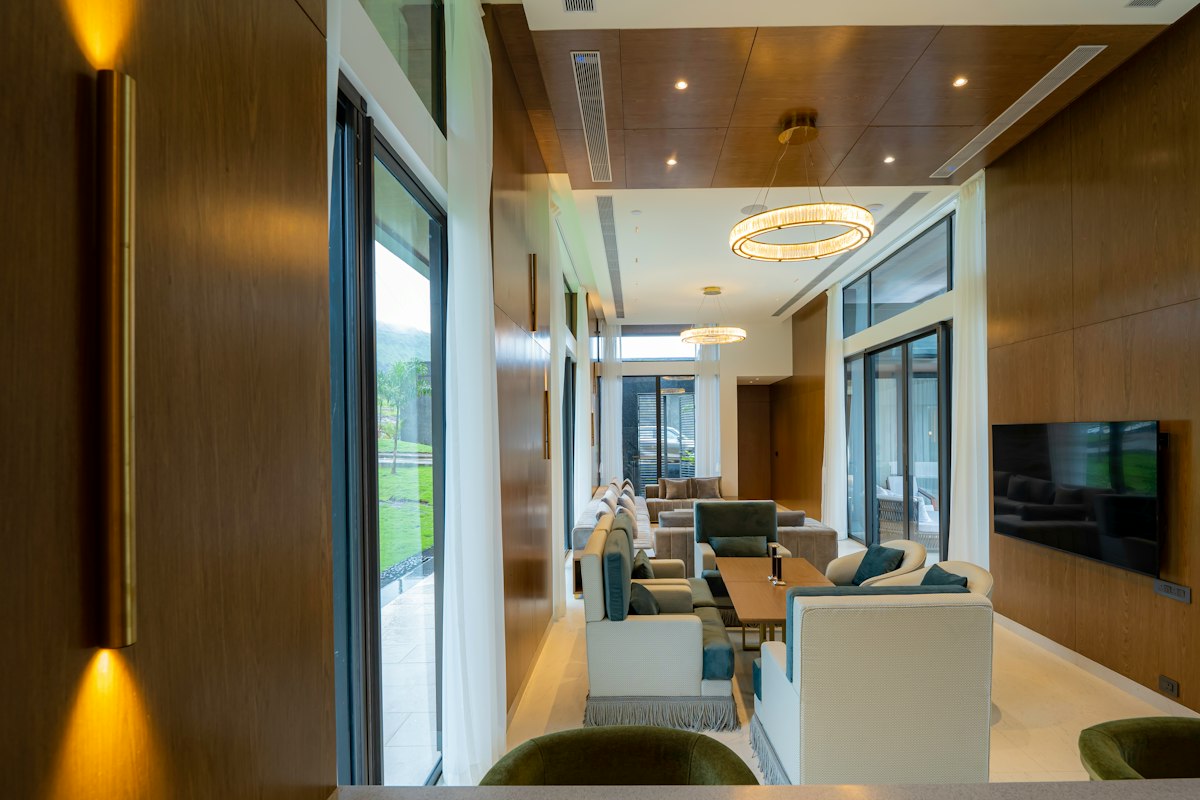
Professional KNX Smart Home Automation Integrators for High-End Residential Projects
Building a truly intelligent home involves much more than buying a few smart plugs or voice-controlled speakers. For luxury residences and large-scale villas, the complexity of managing lighting, climate, security, and entertainment requires a robust, standardized backbone. This is where KNX smart home automation integrators become the most important partners in the construction or renovation process. These specialists ensure that thousands of individual components from different manufacturers speak the same language, creating a seamless experience for the homeowner.
The challenge with many modern smart systems is their reliance on a single central hub or a specific manufacturer's cloud service. If that hub fails or the company goes out of business, the entire home can become unresponsive. KNX smart home automation integrators provide a solution to this through a decentralized architecture. In a KNX ecosystem, every device is intelligent on its own, meaning the failure of one component does not bring down the rest of the house. This level of reliability is the primary reason why high-net-worth individuals and commercial developers prefer this global standard.
Related posts
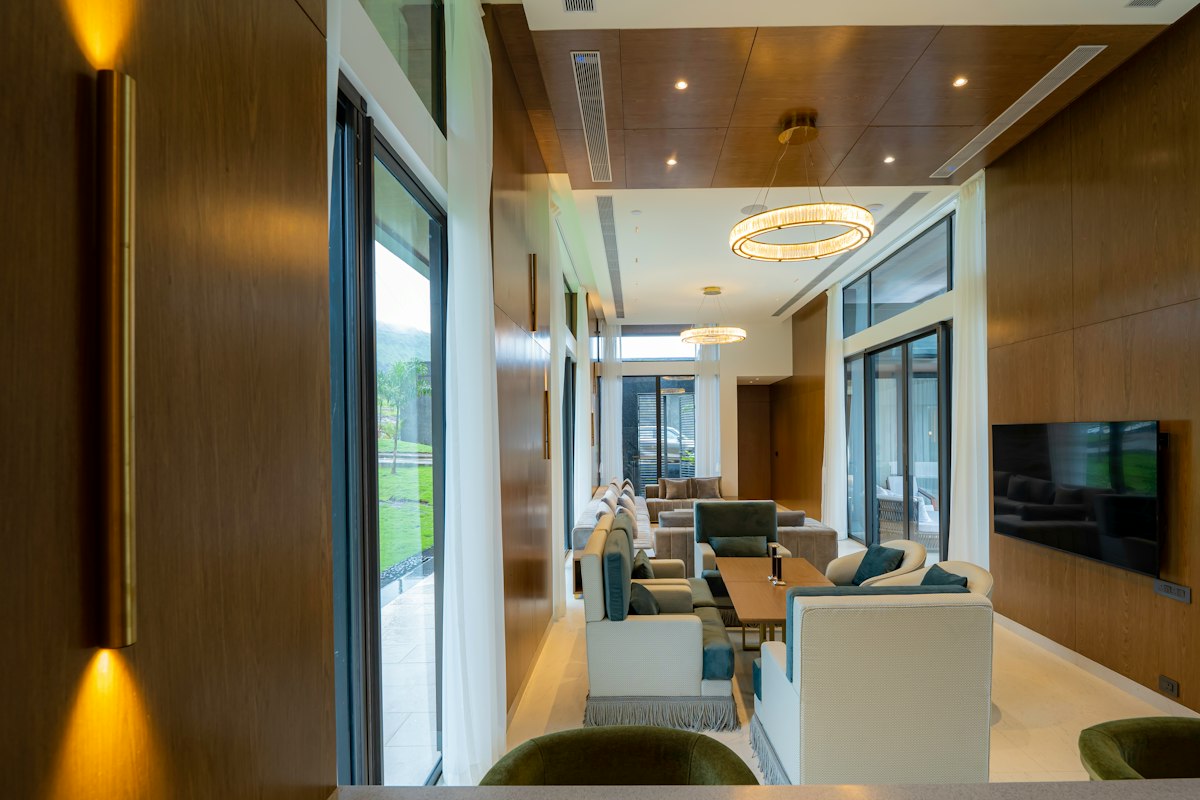
Modernizing Luxury Estates: Home Automation Retrofit for Existing Villas
Living in an established villa often brings a sense of character and space that newer builds struggle to...
Read more →Professional Automated Sliding Gate Barrier Installation Requirements and Best Practices
Securing a property perimeter starts with a robust physical barrier, but the transition from a manual gate to...
Read more →
Advanced Perimeter Defense: AI-Powered CCTV Security Solutions
The feeling of absolute security on your property isn't just a luxury; it's a fundamental expectation. For years,...
Read more →
High-Performance Connectivity: Integrating Wireless Mesh and Structured Cabling in Luxury Villas
Living in a sprawling villa offers unmatched comfort, but it often presents a significant technological hurdle: consistent connectivity....
Read more →Working with professional integrators allows for a level of customization and technical depth that DIY solutions simply cannot match. From the initial wiring diagrams to the final commissioning of the software, these experts manage the technical heavy lifting. This article explores the role of these professionals, the technical advantages of the KNX protocol, and the practical considerations involved when planning a sophisticated automation project for a modern estate.
Key takeaways
- KNX smart home automation integrators use a worldwide, manufacturer-independent standard that ensures long-term hardware availability and system longevity.
- The decentralized nature of KNX systems eliminates single points of failure, providing superior reliability for essential home functions.
- Professional integration is necessary because the system requires specialized ETS software and deep technical knowledge to program and commission correctly.
- A well-executed KNX project increases property value by providing a future-proof infrastructure that can be expanded or modified decades after installation.
The Technical Advantage of the KNX Protocol
At its core, KNX is an open standard for commercial and residential building automation. Unlike proprietary systems that lock you into one brand, KNX smart home automation integrators can choose from over 8,000 certified products from hundreds of different manufacturers. This means you can have German-engineered switches, Italian-designed touch panels, and French-made sensors all working in perfect harmony. The integrator acts as the architect of this digital ecosystem, ensuring that every piece of hardware is compatible and optimized for performance.
One of the standout features of a KNX installation is its longevity. While many consumer electronics are designed for a five-year lifecycle, KNX components are built to last for decades. This is a significant factor for homeowners who do not want to tear open their walls every few years to update their technology. Because the protocol has remained backward compatible for over 30 years, an integrator can easily replace a single sensor from the 1990s with a modern version without needing to replace the entire system.
The Role of Integrators in System Design
The work of KNX smart home automation integrators begins long before the first wire is pulled. It starts with a comprehensive discovery phase where the homeowner's lifestyle and needs are translated into technical requirements. The integrator coordinates with architects, interior designers, and electrical contractors to ensure the infrastructure is hidden but highly functional. This often involves planning for Whole villa mesh Wi-Fi and structured cabling to provide the data backbone that supports the automation system.
During the design phase, the integrator determines the placement of sensors, actuators, and control interfaces. They look at how natural light enters the room to automate shading and how occupancy sensors can optimize energy usage. For large properties, they often specify a Heavy-duty motorized curtain track installation to handle oversized or heavy fabrics in double-height living areas. These tracks are then integrated directly into the KNX bus, allowing them to be controlled via wall switches, mobile apps, or automated schedules based on the sun's position.
Programming and Commissioning
The real magic happens during the programming phase. KNX smart home automation integrators use a specialized software called ETS (Engineering Tool Software) to configure every device on the network. This is not a simple "plug and play" setup. It requires defining group addresses, setting parameters for dimming curves, and establishing logic gates for complex scenes. For example, a "Goodnight" scene might lock all doors, dim the lights over 30 seconds, and set the HVAC to a specific sleep temperature.
Commissioning also involves rigorous testing. The integrator must verify that every command produces the expected result and that the system remains stable under heavy load. This phase is where the expertise of a certified professional becomes evident. They have the diagnostic tools to troubleshoot bus interference or telegram collisions that would baffle a standard electrician.
Enhancing Comfort with Climate and Lighting Control
Lighting and climate are the two most frequently used features in any automated home. KNX smart home automation integrators excel at creating sophisticated lighting designs that go beyond simple on/off functions. They can implement Circadian lighting that changes color temperature throughout the day to support the residents' natural sleep-wake cycles. This requires precise control over DALI (Digital Addressable Lighting Interface) gateways, which are often bridged into the KNX system.
Climate control is equally important, especially in large villas with multiple zones. Integrators implement Centralized smart climate control for villas to manage heating, ventilation, and air conditioning from a single interface. Instead of having a clunky thermostat in every room, the system uses discreet temperature sensors embedded in the wall switches. The logic is handled centrally, ensuring that the AC isn't fighting the underfloor heating and that the system runs as efficiently as possible, significantly reducing energy bills.
Security Integration and Peace of Mind
Security is a primary concern for owners of high-end properties. KNX smart home automation integrators do not just install alarms; they create an integrated security shield. By connecting the automation system to specialized security hardware, the house can react intelligently to threats. If a perimeter sensor is triggered at night, the system can automatically turn on all exterior floodlights and send a notification to the owner's phone.
Access control is another area where professional integrators add immense value. They can install a Biometric smart door lock for main gates that allows entry via fingerprint or facial recognition. This eliminates the need for physical keys and allows the owner to track who enters and exits the property. Furthermore, these systems can be linked to AI perimeter CCTV security camera systems that use machine learning to distinguish between a family pet and a human intruder, reducing false alarms and providing proactive security monitoring.
Financial Considerations and Project Costs
It is important to understand that a professional KNX installation is a premium investment. The costs are generally divided into three categories: hardware, labor/programming, and infrastructure. Hardware costs vary depending on the aesthetic finish of the switches and the number of controlled circuits. Labor costs for KNX smart home automation integrators reflect their specialized training and the hours required for complex programming.
While the initial cost is higher than wireless consumer-grade systems, the total cost of ownership over 20 years is often lower. This is due to the reduced need for replacements, lower energy consumption, and the increased resale value of the home. Many prospective buyers of luxury properties now view professional-grade automation as a standard requirement rather than a luxury add-on. When the time comes to sell, a documented KNX system with a clear project file is a significant asset.
Maintenance and Future-Proofing
A common question for homeowners is what happens after the integrator leaves. A professional firm will provide a comprehensive handover package, including the ETS project file. This file is the "source code" of the house. Because KNX is a global standard, if the original integrator is no longer available, any other certified professional in the world can take that file and continue the work. This prevents the homeowner from being "locked in" to a single service provider.
Regular maintenance is usually minimal but recommended. This might involve software updates for the visualization server or adding new features as the family's needs change. For instance, as children grow up, occupancy-based lighting in their rooms might need to be reprogrammed for different study or sleep schedules. The modular nature of KNX makes these adjustments straightforward without needing to pull new cables.
FAQ
Is KNX better than wireless smart home systems?
For large homes, yes. Wired systems like KNX offer unmatched reliability and speed. Wireless systems often suffer from interference, battery issues, and range limitations, especially in houses with thick stone or concrete walls. KNX provides a dedicated physical path for commands, ensuring that the lights turn on instantly every single time.
Can I use my iPhone or Android to control a KNX system?
Absolutely. While the core logic of KNX is handled by the hardware, integrators almost always include a visualization server. This allows you to control the entire home via a custom-designed app on your smartphone, tablet, or even via voice assistants like Siri or Alexa. The interface can be tailored to show floor plans, energy usage graphs, and live camera feeds.
Is it possible to install KNX in an existing home?
While KNX is easiest to install during a new build or a major renovation, there are options for existing homes. KNX RF (Radio Frequency) allows for wireless communication between devices where pulling new cables is impossible. A skilled integrator can create a hybrid system that uses the wired bus where possible and RF for more difficult areas, maintaining a unified control experience.
Why should I hire a certified integrator instead of a regular electrician?
A regular electrician is trained in power distribution and safety but rarely in the complexities of data protocols and logic programming. KNX smart home automation integrators undergo specific training and certification to understand the nuances of the protocol. They have the tools and experience to design a system that is not only functional but also stable and secure.
How long does the integration process take?
The timeline depends on the scale of the project. Generally, the design phase takes a few weeks, the first-fix wiring happens during the early construction phase, and the final commissioning occurs toward the end of the project when the house is nearly finished. A typical villa project might see the integrator involved on and off over a period of 6 to 12 months.
Conclusion
Partnering with professional KNX smart home automation integrators is the most effective way to ensure a high-end property is equipped with a reliable, scalable, and sophisticated control system. By moving away from fragile consumer-grade gadgets and toward a globally recognized industrial standard, homeowners gain a level of comfort and security that is truly life-changing. From managing complex climate zones to securing the perimeter with the latest AI technology, these experts turn the vision of a smart home into a durable and valuable reality. When planning your next project, prioritize the infrastructure and the expertise of a certified integrator to ensure your home remains intelligent for decades to come.