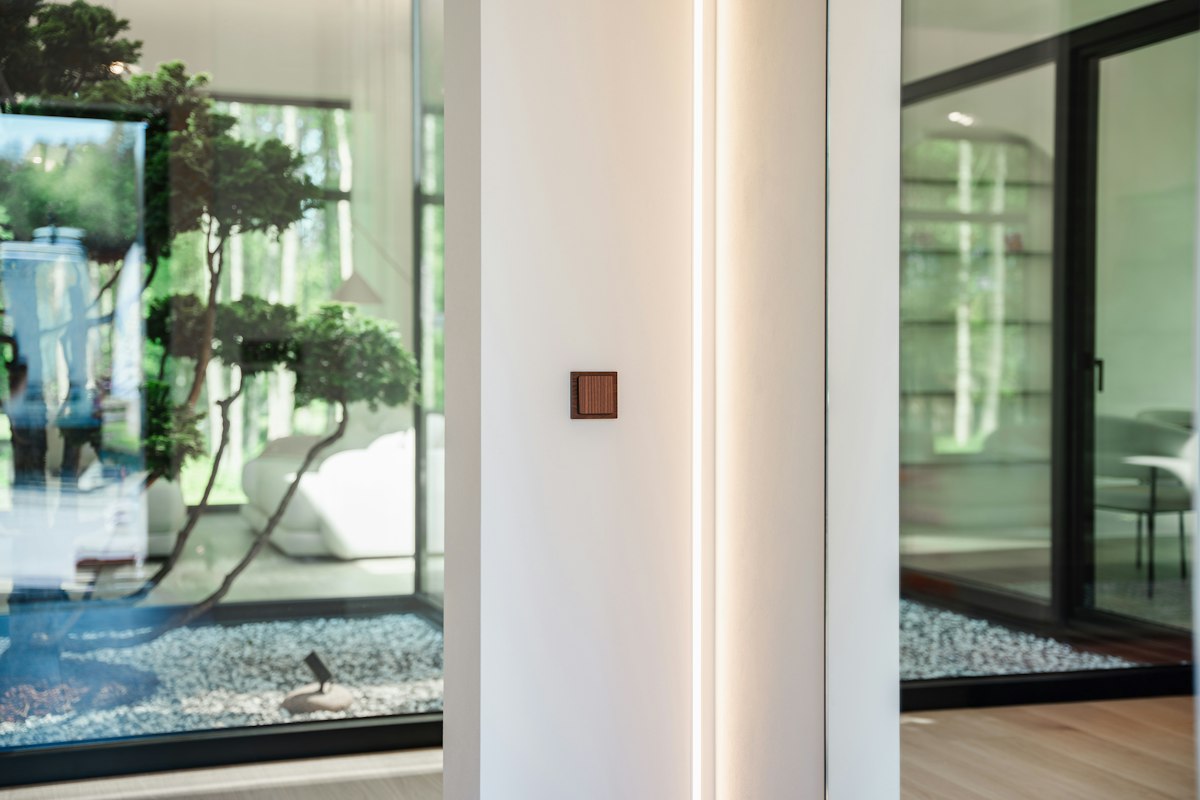
Optimizing Luxury Comfort with Centralized Smart Climate Control for Villas
Managing the internal environment of a sprawling villa involves more than just adjusting a thermostat. Large-scale residential properties face unique thermal challenges, from high ceilings and expansive glass facades to the distinct usage patterns of guest wings and entertainment suites. When you are dealing with multiple floors and dozens of rooms, the traditional method of individual wall units becomes a logistical burden and an energy drain. Centralized smart climate control for villas offers a sophisticated alternative, unifying heating, ventilation, and air conditioning into a single, intelligent interface.
The transition to a centralized system is often driven by the need for consistency and efficiency. In a luxury home, comfort should be felt rather than managed. You shouldn't have to walk from room to room to ensure the AC is off or the heating is set to an eco-mode. This article examines the architectural requirements, the integration of hardware, and the practical benefits of moving toward a unified climate strategy. We will explore how these systems interact with other home technologies and what owners should expect during the implementation phase.
Related posts
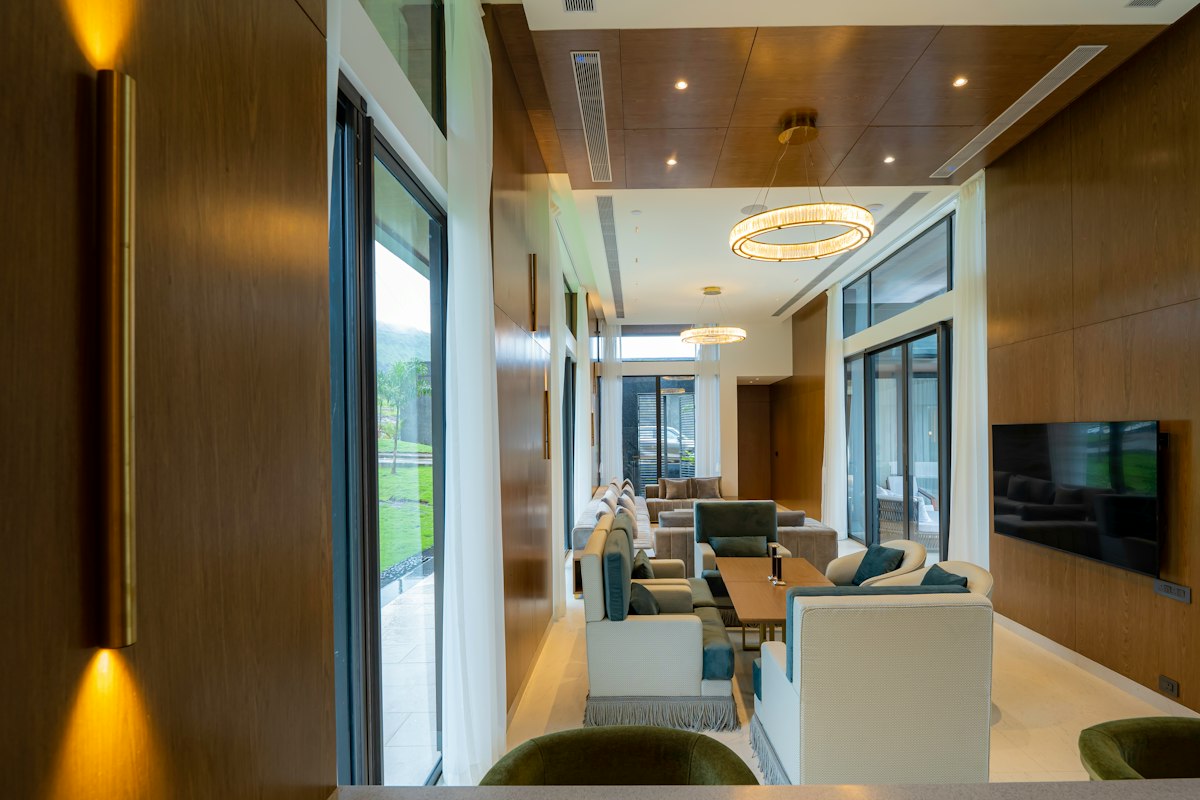
Modernizing Luxury Estates: Home Automation Retrofit for Existing Villas
Living in an established villa often brings a sense of character and space that newer builds struggle to...
Read more →Professional Automated Sliding Gate Barrier Installation Requirements and Best Practices
Securing a property perimeter starts with a robust physical barrier, but the transition from a manual gate to...
Read more →
Advanced Perimeter Defense: AI-Powered CCTV Security Solutions
The feeling of absolute security on your property isn't just a luxury; it's a fundamental expectation. For years,...
Read more →
High-Performance Connectivity: Integrating Wireless Mesh and Structured Cabling in Luxury Villas
Living in a sprawling villa offers unmatched comfort, but it often presents a significant technological hurdle: consistent connectivity....
Read more →Beyond simple temperature adjustments, modern centralized solutions leverage data to anticipate your needs. By utilizing occupancy sensors, external weather feeds, and historical usage patterns, these systems create a proactive environment. This approach reduces the mechanical strain on HVAC hardware and significantly lowers utility costs without compromising the resident experience. We will also address how proper infrastructure, such as Whole villa mesh Wi-Fi and structured cabling, serves as the invisible backbone for these high-performance climate networks.
Finally, we will look at the synergy between climate control and other automated features. A truly smart villa doesn't operate in silos. For instance, the relationship between solar gain and cooling requirements is managed through the coordination of window treatments and HVAC output. Understanding these connections is the first step toward creating a home that is as intelligent as it is comfortable. Whether you are in the design phase of a new build or looking to upgrade an existing estate, the following insights provide a roadmap for superior environmental management.
Key takeaways
- Zoning is non-negotiable: Effective villa climate control requires dividing the property into logical zones to prevent wasting energy on unoccupied spaces.
- Integration improves ROI: Linking climate systems with automated shades and occupancy sensors maximizes efficiency and extends hardware lifespan.
- Infrastructure matters: A centralized system is only as reliable as the network it runs on; robust connectivity is a prerequisite for seamless operation.
- Professional calibration is essential: High-end systems require expert balancing to ensure air pressure and temperature remain consistent across large open-plan areas.
The Architecture of Centralized Villa Cooling and Heating
In a standard residential setting, a simple split system might suffice. However, villas require a different breed of technology, typically involving Variable Refrigerant Flow (VRF) or Variable Refrigerant Volume (VRV) systems. These setups allow a single outdoor condensing unit to connect to multiple indoor units, each capable of independent operation. The "centralized" aspect comes from the management layer—a software-driven brain that coordinates these units to ensure they work in harmony rather than in competition.
One of the primary advantages of this architecture is the elimination of "hot spots" or "cold pockets" that often plague large homes. In a villa with a double-height foyer, heat naturally rises, leaving the ground floor chilly while the upper gallery swelters. A centralized system uses sensors at various heights to balance the airflow, ensuring a uniform temperature gradient. This level of precision is impossible with standalone units that lack a global view of the property's thermal state.
Furthermore, the aesthetic impact cannot be ignored. Luxury villas prioritize interior design, and centralized systems allow for discreet installations. Instead of bulky wall-mounted blocks, homeowners can opt for concealed ducting with minimalist linear slot diffusers that blend into the ceiling. This shift from functional hardware to invisible comfort is a hallmark of high-end property development.
Zoning Strategies for Large Estates
Zoning is the practice of dividing your villa into specific areas that can be controlled independently. In a large home, it makes little sense to cool the guest wing to 20 degrees Celsius when no one is staying there. A centralized smart system allows you to create schedules based on the lifestyle of the inhabitants. The primary suite might be pre-cooled starting at 9:00 PM, while the home office is prioritized during daylight hours.
Effective zoning also accounts for the orientation of the building. Rooms facing south will naturally accumulate more heat during the day. An intelligent system recognizes this and preemptively increases cooling to those specific zones while maintaining a lower output in the shaded north-facing rooms. This granular control is where the real energy savings are found. It transforms the HVAC system from a blunt instrument into a precision tool.
To support this level of automation, the property must have a rock-solid communication network. This is where Whole villa mesh Wi-Fi and structured cabling becomes a fundamental requirement. Without a stable data path, sensors cannot report back to the central hub, and the system loses its ability to react in real-time. Investing in the network is just as important as investing in the air conditioning units themselves.
The Synergy Between Light and Temperature
A significant portion of a villa's heat load comes from solar radiation through windows. Even the most powerful AC system will struggle if the sun is allowed to pour into a glass-walled living room all afternoon. This is why centralized climate control should be paired with Heavy-duty motorized curtain track installation. By integrating these two systems, the villa can automatically close the drapes when the outdoor temperature hits a certain threshold or when the sun reaches a specific angle.
This proactive approach to "passive cooling" reduces the work the HVAC system has to do. Instead of trying to cool down a room that has already reached 30 degrees, the system prevents the heat from entering in the first place. This synergy not only saves money but also protects expensive furniture and artwork from UV damage. When the curtains and the climate control talk to each other, the result is a significantly more stable and comfortable indoor environment.
Security and Access Integration
It might seem unusual to link climate control with security, but the two are deeply intertwined in a smart home ecosystem. For example, when a Biometric smart door lock for main gates is activated by a recognized resident, the home can automatically transition from "Away" mode to "Home" mode. This means the climate control can begin adjusting the temperature the moment you enter the grounds, rather than waiting for you to walk through the front door.
Similarly, AI perimeter CCTV security camera systems can be used to detect occupancy in outdoor lounge areas. If the cameras detect people gathering on the patio, the system can activate outdoor misting fans or adjust the climate in the adjacent indoor spaces to prepare for increased foot traffic between the two areas. Even an Automated sliding gate barrier installation can serve as a trigger for the home's arrival sequence, ensuring the environment is perfect the moment you step inside.
Evaluating Costs and Long-Term Value
The initial investment for a centralized smart climate system is higher than that of traditional decentralized units. You are paying for the sophisticated control logic, the specialized VRF hardware, and the professional integration required to make everything work together. However, the ROI is realized through three main avenues: energy reduction, equipment longevity, and property valuation.
Energy savings typically range from 20% to 40% depending on the size of the villa and the local climate. Because the system operates more efficiently, the compressors and fans are not constantly cycling on and off at full power, which significantly extends their operational life. Furthermore, a villa equipped with a fully integrated, state-of-the-art climate system is a much more attractive proposition on the luxury real estate market. Potential buyers recognize the value of a home that manages itself.
Maintenance and Reliability
Centralized systems are complex, and they require a different maintenance mindset. Rather than just cleaning filters, a technician must occasionally check the software logs for sensor errors or communication lags. Most modern systems offer remote monitoring capabilities, allowing a service provider to diagnose a potential issue before it results in a system failure. This predictive maintenance is a major advantage for villa owners who may not be on the property year-round.
Redundancy is another factor to consider. In a well-designed centralized system, the failure of one indoor unit does not necessarily bring down the entire house. The system can often compensate by increasing the output of adjacent zones. This ensures that even if a component needs repair, the villa remains habitable and comfortable.
Frequently Asked Questions
Can I control a centralized system from my phone when I am away?
Yes, remote access is a standard feature of modern centralized systems. Through a secure app, you can monitor the temperature in every room, adjust schedules, and receive alerts if the system detects an anomaly. This is particularly useful for villa owners who travel frequently, as they can ensure the home is at the perfect temperature before they arrive from the airport.
Is it possible to retrofit a centralized system into an existing villa?
Retrofitting is possible but more invasive than a new build installation. It often requires some ceiling work to accommodate ducting and wiring. However, with the advent of wireless sensors and advanced communication protocols, the amount of physical cabling required has decreased. A professional assessment is needed to determine the most efficient path for your specific property layout.
How does the system handle humidity in tropical or coastal areas?
Advanced centralized systems include dedicated dehumidification cycles. Unlike standard AC units that only remove moisture while cooling, these systems can manage humidity levels independently. This is essential for preventing mold growth and protecting sensitive materials like wood flooring, musical instruments, and fine art, which are common in luxury villas.
Do I need a separate control panel for every room?
While you can have dedicated wall panels, many owners prefer to use a combination of discreet flush-mounted sensors and a centralized tablet or smartphone app. Some systems also support voice control or elegant, minimalist keypads that manage lighting and climate simultaneously, reducing "wall clutter" and maintaining the villa's aesthetic integrity.
What happens if the Wi-Fi goes down?
A professionally installed system is designed with local fail-safes. While you might lose the ability to control the system via your phone, the core logic resides in a local controller that does not require the internet to function. The system will continue to run its last programmed schedule until connectivity is restored, ensuring your comfort is never compromised by an ISP outage.
Conclusion
Centralized smart climate control for villas is no longer a luxury—it is a practical necessity for managing large, complex living spaces. By consolidating control, implementing intelligent zoning, and integrating with the wider home ecosystem, villa owners can achieve a level of comfort and efficiency that was previously impossible. The transition requires a focus on robust infrastructure, particularly regarding connectivity and hardware synergy, but the rewards in terms of lifestyle quality and energy savings are substantial. As home technology continues to evolve, the ability to precisely curate your indoor environment remains the ultimate expression of modern residential design.